Common Failure Modes of Grinding Steel Balls & How Smart Manufacturing Prevents Them
In industrial grinding operations across mining, cement, and power generation, wear-resistant grinding steel balls are vital consumables. However, premature failure of grinding media can drastically reduce grinding efficiency, increase mill liner wear, and lead to unplanned downtime. Understanding the root causes of these common operational failures is essential for selecting reliable supplier partners and optimizing mill productivity.
4 Key Failure Modes of Grinding Steel Balls & Root Causes
1. Excessive Wear Rate (Low Abrasion Resistance)
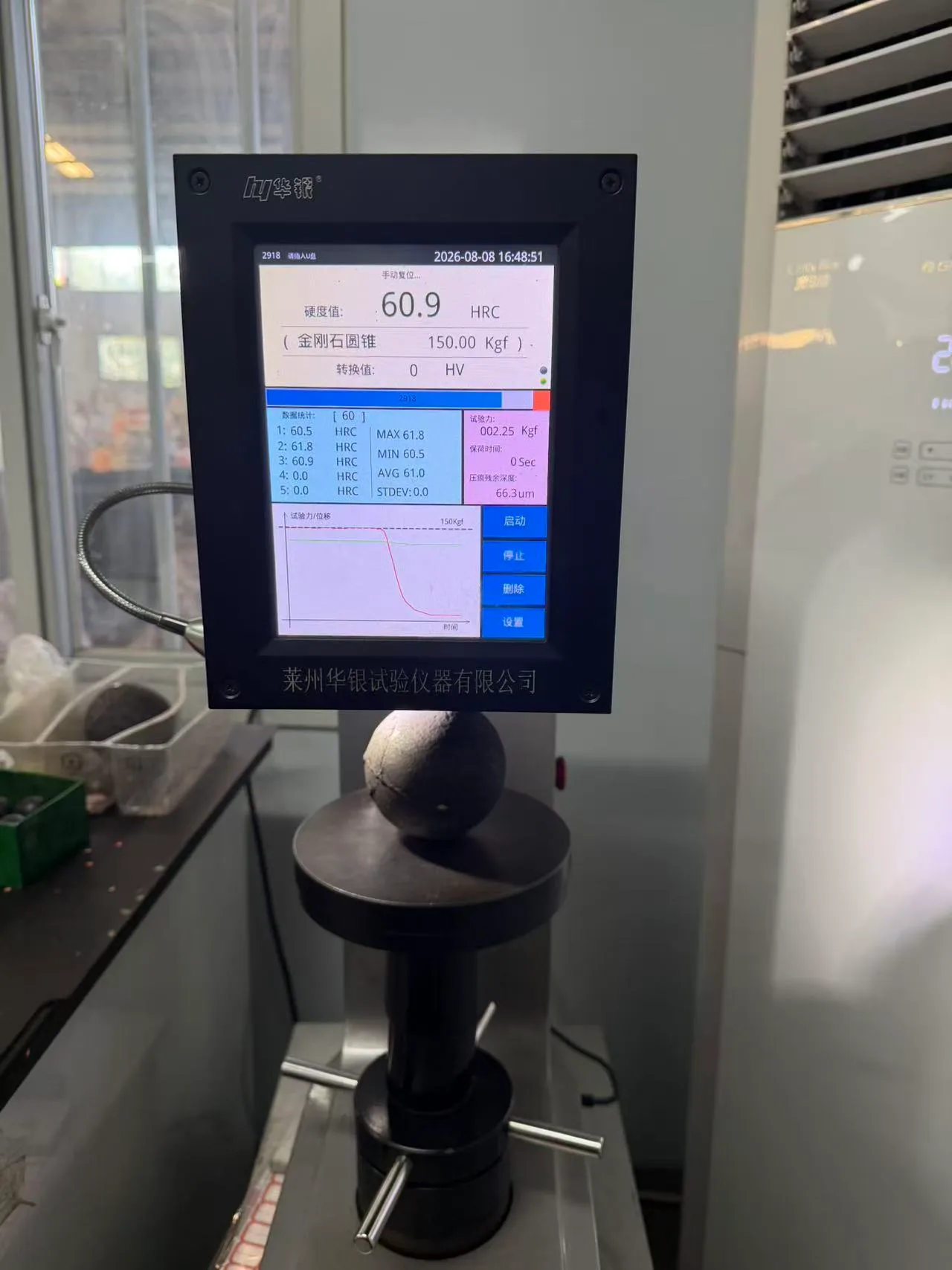
Root Cause: High volumetric wear is primarily driven by improper or omitted heat treatment processes (such as quenching and tempering). Unquenched or poorly quenched steel balls lack the required volumetric hardness and refined martensitic microstructure. As a result, the low surface and core hardness lead to rapid material loss under severe abrasive slurry or dry grinding conditions.
2. Ball Breakage & Impact Fracture
Root Cause: Premature breakage usually stems from non-standard chemical compositions, excessive non-metallic inclusions in low-grade scrap steel, or incorrect tempering cycles. High residual thermal stress combined with macro-defects causes microscopic cracks to propagate rapidly upon high-energy impacts inside large SAG or ball mills, resulting in catastrophic fracturing.
3. Surface Spalling & Delamination
Root Cause: Similar to breakage, spalling is caused by severe compositional segregation, subsurface micro-voids, or unbalanced stress gradients created during non-uniform cooling. When subjected to continuous cyclic fatigue and impact forces, the outer layer of the steel ball shears off along internal inclusion lines, peeling away in fragments.
4. Severe Surface & Casting Deficiencies
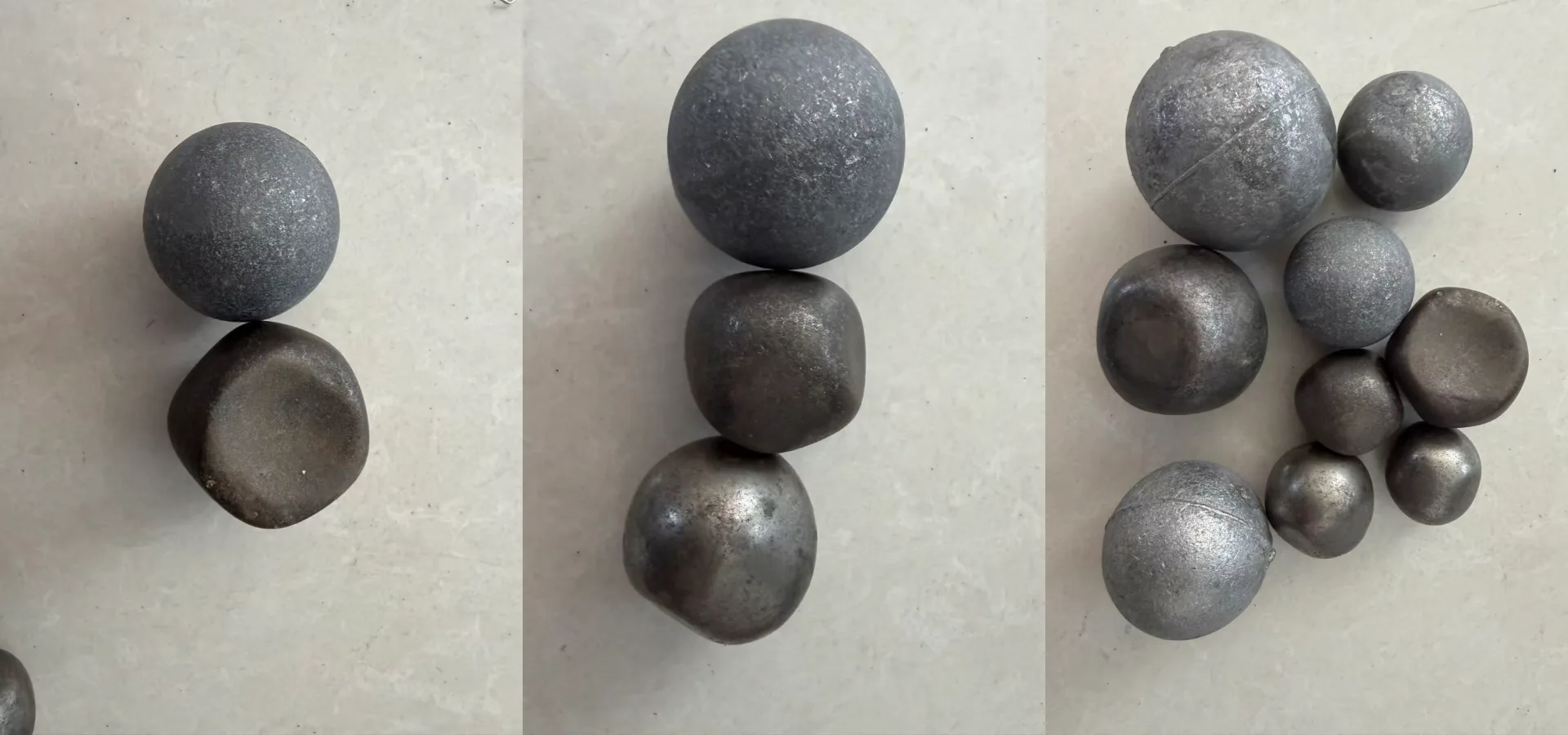
Root Cause: Visual defects such as sand inclusions, slag traps, heavy flash/burrs, cold shuts, or wrinkled skins serve as severe stress concentration sites. During mill rotation, alternating mechanical stresses concentrate at these defect points, triggering localized micro-cracks that eventually evolve into full breakage or heavy spalling.
Industry Takeaway & Selection Strategy
While these defect analyses pinpoint common manufacturing flaws, actual grinding media performance must always be evaluated in conjunction with specific mill parameters, including pulp density, ore hardness, impact energy, and liner profile.
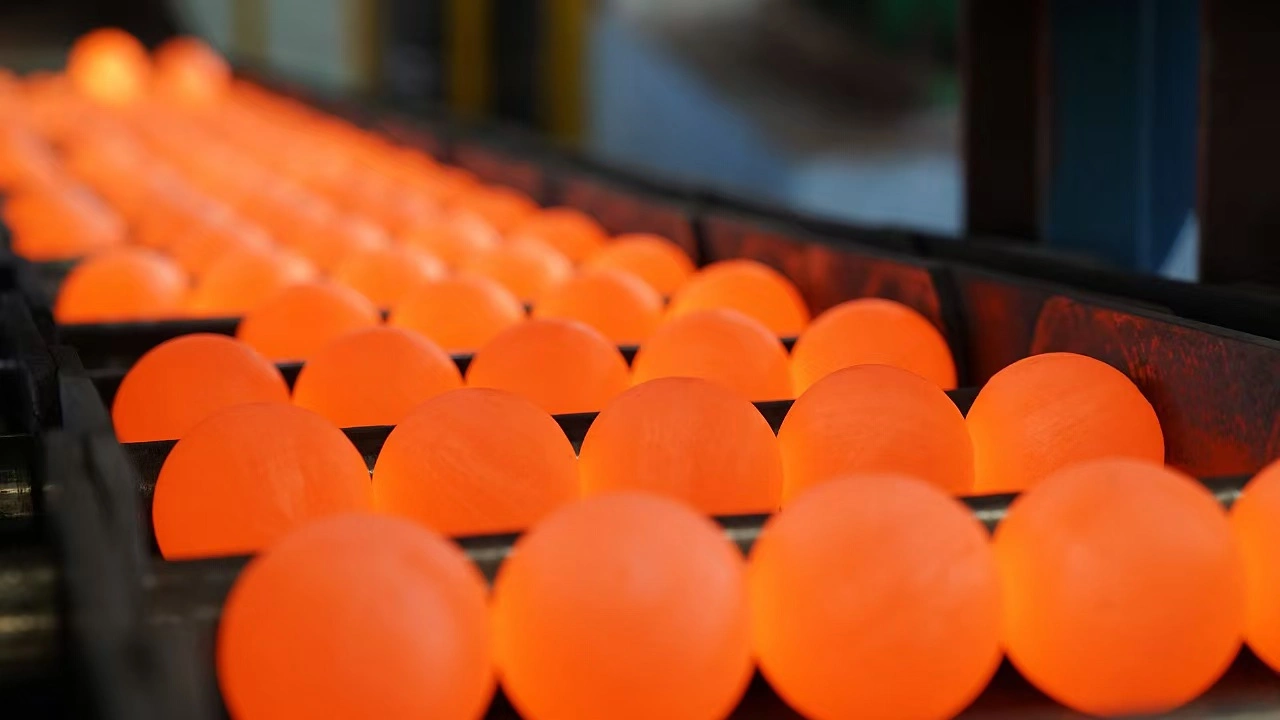
To avoid operational losses, industrial clients should partner with manufacturers utilizing automated heat treatment lines, premium clean raw materials, and strict digital quality controls to ensure consistent metallurgical integrity and maximum service life.